(FIRST READING ACT 2:14, 22-33; RESPONSORIAL PSALM PSM. 15:1-2, 5, 7-11; SECOND READING 1PT. 1:17-21; GOSPEL ACCLAMATION cf. LK 24:32; GOSPEL LK 24:13-35)
THEME: THE RISEN CHRIST WALKS WITH US: FROM BLINDNESS TO RECOGNITION!
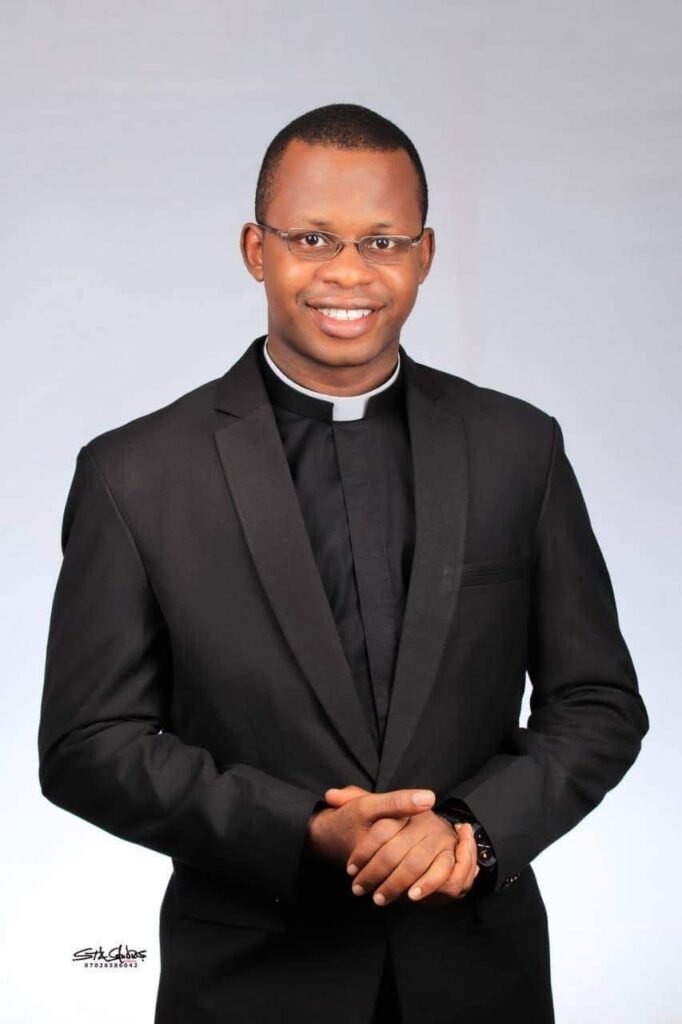
By: Rev. Fr. Jude Nwachukwu
A story is told of the great theologian Karl Barth. While riding in a tram, a tourist expressed his desire to meet the famous Barth and asked if he knew him. Barth replied, “Yes, I do. I shave him every morning.” The tourist left happily, thinking he had met Barth’s barber, not realizing he had been speaking to Barth himself. This story captures the irony of today’s Gospel: one can be very close to Jesus and still fail to recognize Him.
The readings of today center on one consoling truth: the risen Jesus is always with us, even when we do not perceive Him. In the first reading, Peter boldly proclaims that God raised Jesus from the dead, confirming Him as Lord and Messiah. In the second reading, the faithful are urged to anchor their hope in God, who redeemed us through the precious Blood of Christ. The Gospel presents the moving story of two disciples on the road to Emmaus, walking away from Jerusalem in disappointment after the death of Jesus. Their journey reflects the human experience of shattered hopes and broken expectations.
These disciples had hoped that Jesus would redeem Israel, but His crucifixion seemed to have destroyed everything. In a similar way, we too encounter moments when our expectations collapse—whether in health, finances, relationships, or personal ambitions. Life can sometimes feel like a series of disappointments. Yet, the Gospel reassures us that it is precisely in such moments of confusion and discouragement that Jesus draws near. He does not wait for us to be strong; He meets us in our weakness and uncertainty.
Significantly, Jesus walked with the disciples, listened to their struggles, and explained the Scriptures to them, yet they failed to recognize Him. Their sorrow blinded them. This mirrors our own experience. We often expect God to manifest Himself through extraordinary signs, while He is quietly present in the ordinary circumstances of our lives—in daily encounters, simple events, and even in our struggles.
As Jesus explained the Scriptures, the hearts of the disciples began to burn within them. This indicates that the Word of God is not merely informational but transformational—a living encounter with Christ Himself. When approached with faith, Scripture becomes a channel through which Jesus speaks to the human heart. If this experience is lacking, it may be due to familiarity or inattentiveness. The Church teaches that Christ is truly present in His Word, just as He is present in the Eucharist.
The climax of the Emmaus story occurs at the table. When Jesus took bread, blessed it, broke it, and gave it to them, their eyes were opened, and they recognized Him. This moment has a clear Eucharistic significance. It reveals that Christ is encountered in a unique and real way in the breaking of bread. Every celebration of the Mass follows this same pattern: first, the Liturgy of the Word, then the Liturgy of the Eucharist. A deeper understanding of this mystery should inspire greater reverence and devotion. The Eucharist is not ordinary bread but the real presence of Christ, given to nourish and sustain us.
Once the disciples recognized Jesus, they could not remain where they were. They immediately returned to Jerusalem to share the Good News. Their transformation was evident: sadness turned to joy, confusion to clarity, and fear to courage. This shows that a genuine encounter with the risen Christ always leads to mission. It moves a person from isolation to community and from despair to hope.
As we celebrate Mothering Sunday, this Gospel gains added depth. Mothers embody the Emmaus journey in a unique way. Like Jesus, they walk patiently with their children, guide them, teach them, and nourish them, often without being fully appreciated. They are present in both joyful and difficult moments. Many people first encounter God through the faith and sacrifices of their mothers. The example of Monica of Hippo, who prayed persistently for her son until he became Augustine of Hippo, illustrates how God works through the quiet and enduring love of a mother.
Ultimately, this homily invites us to become more attentive to Christ’s presence in our daily lives. Jesus meets us on our own “Emmaus roads”—in our struggles, disappointments, and uncertainties. He speaks through the Scriptures, nourishes us in the Eucharist, and reveals Himself in the people around us. The challenge is whether we are open enough to recognize Him.
May the risen Lord open our eyes, walk with us always, bless all mothers who reflect His love, and set our hearts on fire to proclaim the Good News. Amen.