Do not renounce your ability to think, Pope Leo XIV enjoins Communicators
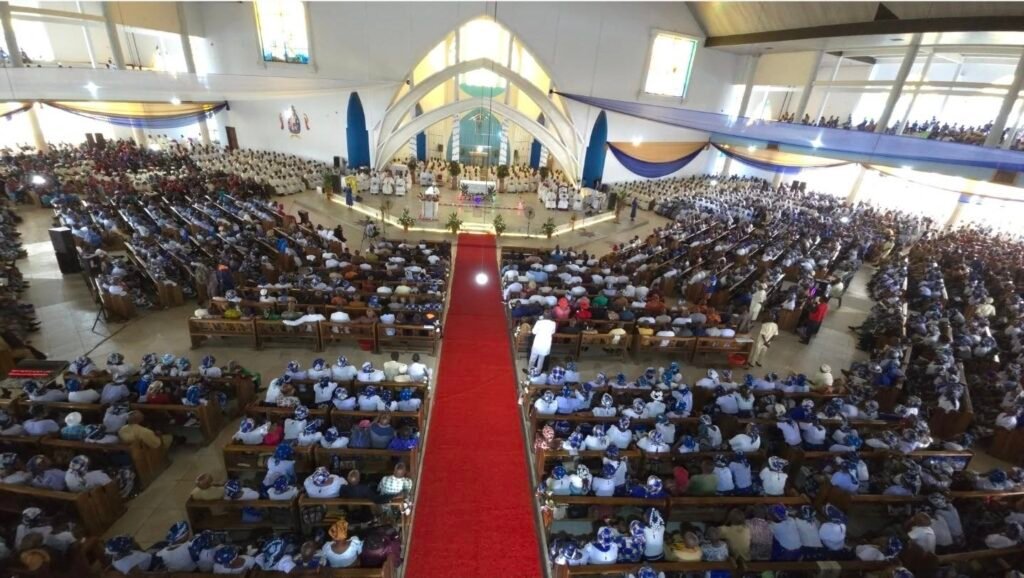
The Catholic Diocese of Ahiara, Mbaise, today, Sunday, May 17, 2026, concludes its week-long celebrations of communications, tagged ComWeek 2026, inspired by the Pope’s message for the 60th World Day of Social Communications on preserving human voices and faces in communication. The celebration, which is observed worldwide for a day, takes a week-long dimension in Nigeria in line with the directives of the Catholic Secretariat of Nigeria (CSN), Abuja, through its National Directorate of Social Communications. Hence, Communications Week in Nigeria begins on the 6th Sunday of Easter till the 7th Sunday of Easter, when the grand finale is held in unison with the global celebration of social communications by the Church.
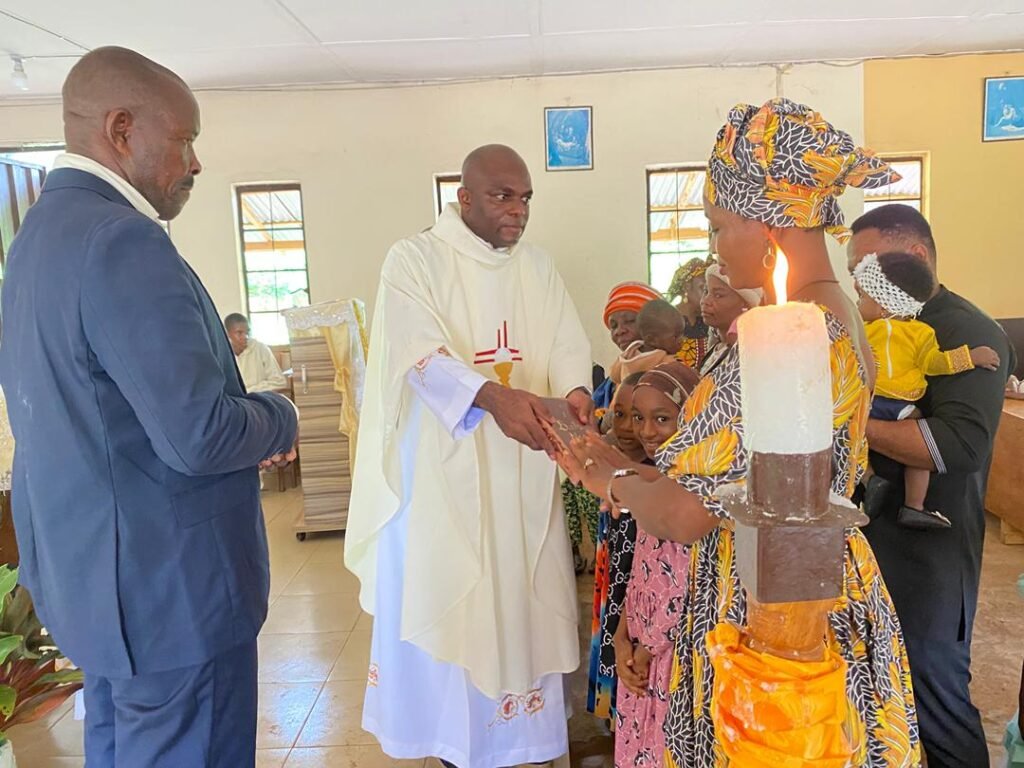
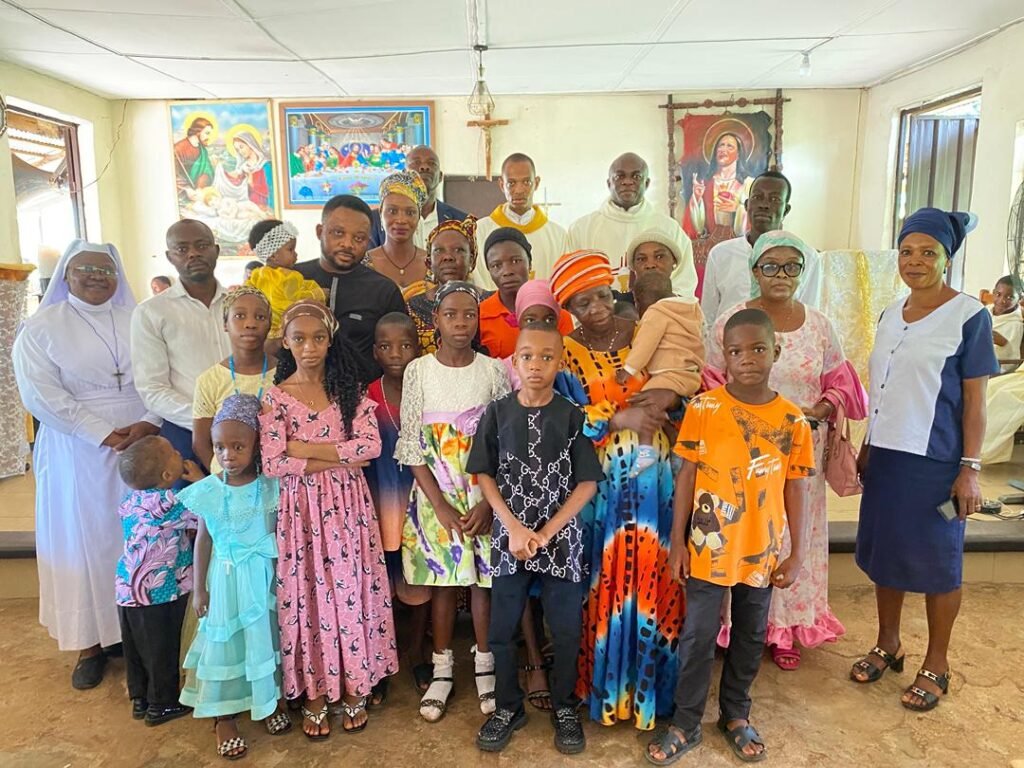
Celebrating the theme for this year, “Preserving Human Voices and Faces,” the Catholic Diocese of Ahiara inaugurated this year’s event at the Ahiara Diocesan Media Chaplaincy, Holy Family Catholic Chaplaincy, Aboh Urban, Mbaise, Imo State. On this day, members of Ahiara Diocesan Catholic Biblical Movement of Nigeria (CBMN) and members of the Catholic Charismatic Renewal of Nigeria (CCRN) were commissioned as active partners in communicating Christ to all, using all available media.
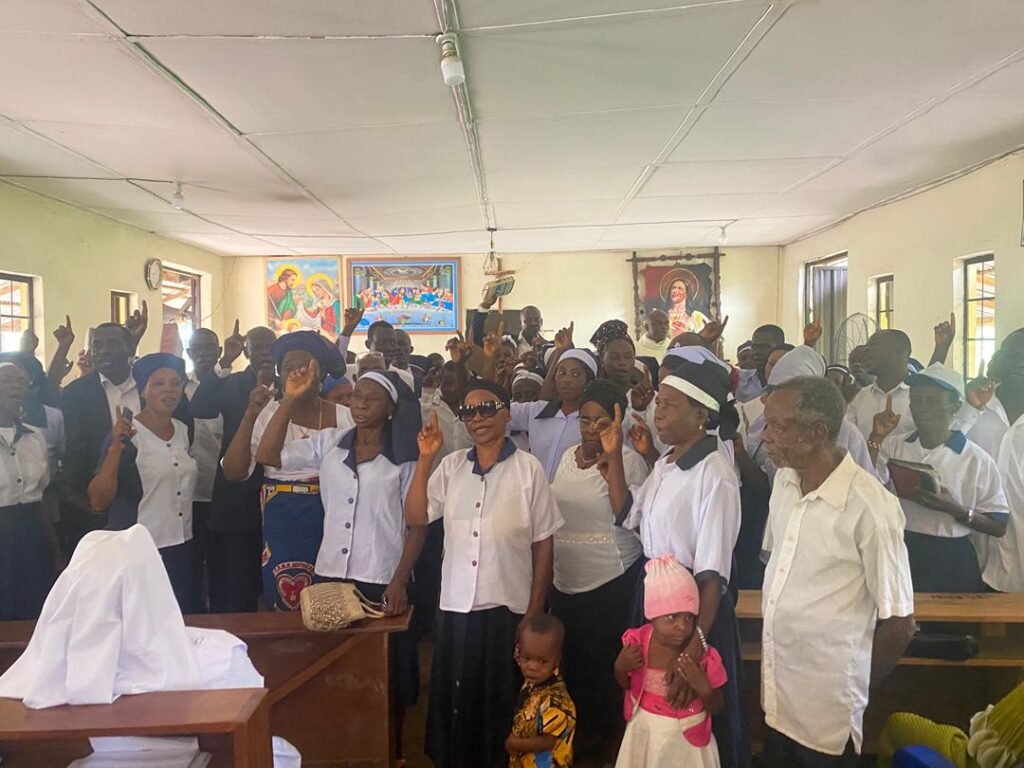
Guided by the Pope’s message, media practitioners and enthusiasts across the diocese seized the opportunity provided by the week to reflect on the unfortunate trends in both the social and regular media environments regarding the replacement of human skills and beauty in social communications with machine effects/artificial intelligence (AI).
There is no gainsaying that the globalization phenomenon, combined with the technologically driven information and communications technology revolution, brought great benefits to humanity; they also brought their unfortunate threat to social order in the media realm.
It should be recalled that Pope Francis, during his pontificate, strongly denounced insensitive publication and debasement of the human person in the media space.
Because the trend has continued, there has been increased insistence by the Catholic Church that media practitioners/communicators across the globe should be more responsive in adopting best practices of communications and information management.
Feeling concerned for the increasing damage to humanity, Pope Leo XIV, in his message, enjoined communicators not to renounce their ability to think critically. This call by the Pope set the tone for this year’s Communication Sunday celebration. Reflecting on the Pope’s message, the diocese throughout the week-long event emphasized the prerogative of human faces and voices. The Holy Father underscored that “by simulating human voices and faces, wisdom and knowledge, consciousness and responsibility, empathy and friendship, the systems known as ‘artificial intelligence’ not only interfere with information ecosystems but also encroach upon the deepest level of communication, that of human relationships.”
While acknowledging the support and assistance AI can bring, he encouraged communicators to always think critically, as settling for artificial statistical compilations threatens to diminish our cognitive, emotional, and communication skills. He further elaborated on the challenging effects of these technological advancements on human, socio-cultural, and political life, which rob humanity of the opportunity of encountering one another. Pope Leo XIV also observed another major challenge posed by these emerging systems: bias, which leads to acquiring and transmitting an altered perception of reality. “Al models are shaped by the worldview of those who build them and can, in turn, impose these ways of thinking by reproducing the stereotypes and prejudices present in the data they draw on. A lack of transparency in algorithmic programming, together with the inadequate social representation of data, tends to trap us in networks that manipulate our thoughts and prolong and intensify existing social inequalities and injustices.” He said.
He then suggested the need for an alliance by employing the three pillars of responsibility, cooperation, and education. Through responsibility, he advocated for the promotion of honesty, transparency, courage, and farsightedness, emphasizing the duty of sharing knowledge or the right to be informed, thereby inviting the creators and developers of AI models to practice transparency and social responsibility with the design principles and moderation systems underlying their algorithms and the models they develop to promote informed consent on the part of users. This responsibility extends to national legislators and supranational regulators, whose task it is to ensure respect for human dignity.
In discussing cooperation, he encouraged that all stakeholders — from the tech industry to legislators, from creative companies to academia, and from artists to journalists and educators — must be involved in building and implementing informed and responsible digital citizenship. On education, he called for the urgent employment of human thinking and the need to introduce media, information, and AI literacy into education systems at all levels, as already promoted by some civil institutions. “It is important to educate ourselves and others about how to use AI intentionally and, in this context, to protect our image (photos and audio), our face, and our voice to prevent them from being used in the creation of harmful content and behaviors such as digital fraud, cyberbullying, and deepfakes, which violate people’s privacy and intimacy without their consent,” he stressed. He concluded by stating the importance of valuing human faces and voices as well as the necessity of cherishing the gift of communication as the deepest truth of humanity, to which all technological innovations should also be oriented.
The grand finale taking place today at St. Brigid’s Catholic Parish, Nnarambia Ahiara, features thanksgiving celebrations, blessing of the communicators in the diocese, and a special media awards ceremony recognizing outstanding communicators, personalities, and media apostles contributing to human development, evangelization, and social development within the diocese and beyond.
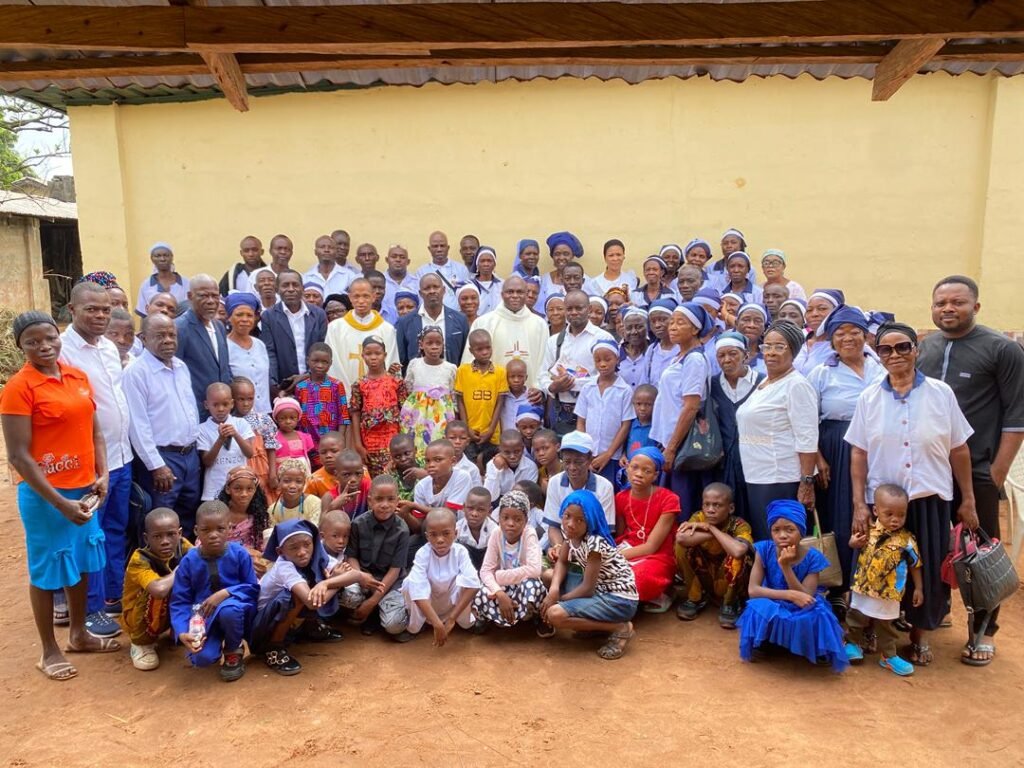
While deeply reflecting on this message throughout the week, the Catholic faithful communicators have shown renewed commitment towards upholding human dignity in communication, encouraging responsible journalism, positive media engagement, and plans for transforming society.