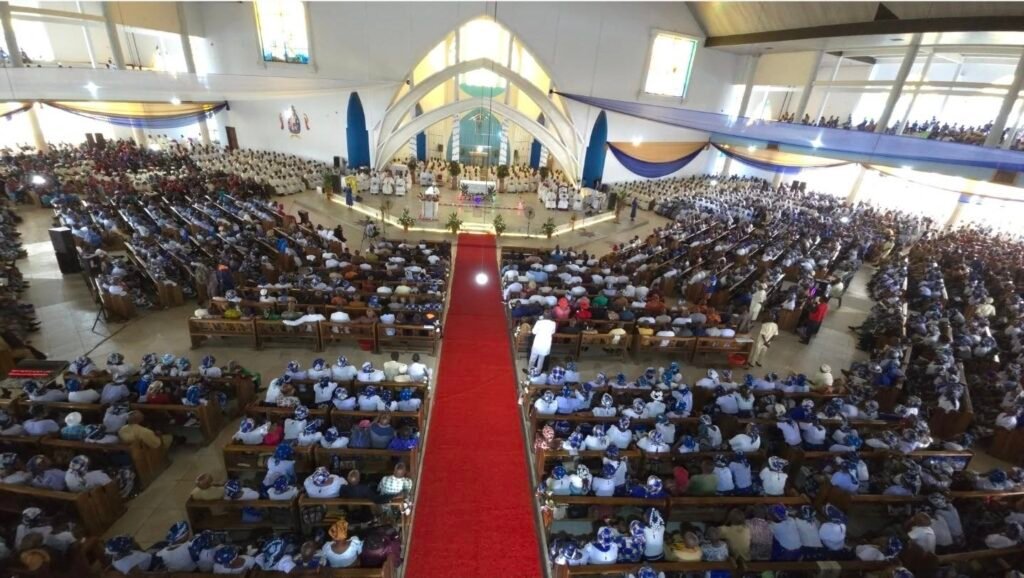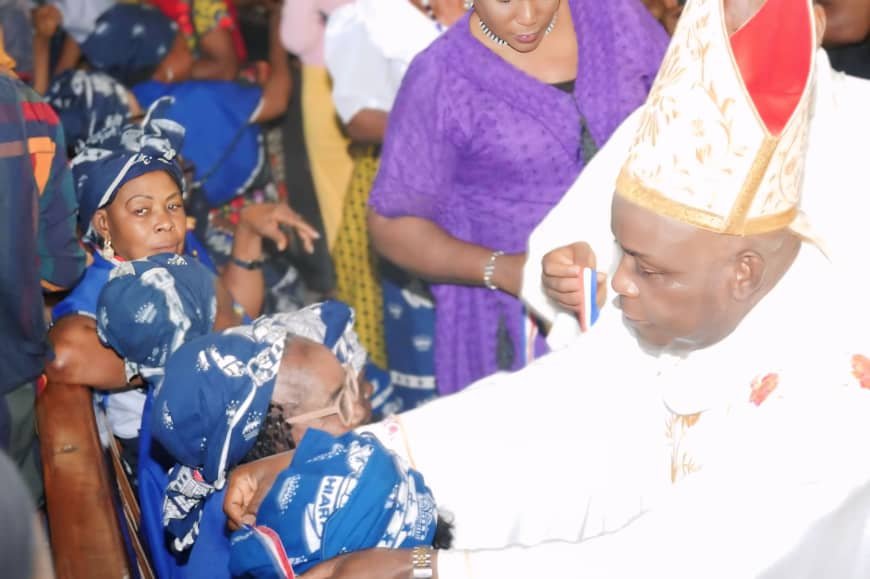

On Sunday, August 9, Catholic dioceses across Nigeria will begin the annual National Family Week, a providential moment for the Church to reflect on the vocation of the family and to renew the values that sustain both society and the life of faith. At a time when many homes are carrying burdens of economic hardship, insecurity, unemployment, drug abuse, mental health struggles and the pressures of an increasingly digital culture, this observance is more than another event on the ecclesiastical calendar. It is a call to national self-examination.
Every society ultimately mirrors the quality of its families. The family is humanity’s first school, the first sanctuary of love and the first place where character is formed. Before children encounter the state, the marketplace or even the wider Church, they encounter parents who teach, by word and example, honesty or deceit, compassion or indifference, discipline or disorder. When homes cease to form conscience, public institutions inevitably bear the consequences. Corruption, violence, intolerance and social fragmentation often begin with the gradual erosion of values within the home.
Many parents today are consumed by the struggle to provide materially for their households, often leaving little time for the moral and spiritual formation of their children. Increasingly, smartphones, social media and celebrity culture shape young minds more than family conversation or parental example. Homes are filled with digital devices but often starved of genuine presence and communication, shared prayer and meaningful relationships.
But, the Christian family has never been defined by perfection but by grace. The Holy Family itself experienced poverty, exile and uncertainty, yet became the setting in which God’s saving plan unfolded. National Family Week therefore calls every household to recover simple but transformative habits: praying together, sharing meals, reading Scripture, listening attentively, forgiving generously and creating an atmosphere where faith is lived before it is taught. Such ordinary practices remain the extraordinary foundation of lasting families.
Parents must remember that paying school fees and providing food and shelter, indispensable though they are, do not exhaust the vocation of fatherhood and motherhood. Children require examples more than instructions. The Church, for her part, must continue to accompany families with compassion, especially those burdened by unemployment, conflict, addiction, migration, grief or loneliness. Government, too, cannot ignore the family. Policies on education, housing, healthcare, employment, security and responsible media are ultimately investments in the nation’s future.
The renewal of Nigeria will not be secured by elections, economic reforms or technological innovation alone. It will also be forged around family tables, in evening prayers, through patient conversations between parents and children, in faithful marriages, and in homes where virtue is deliberately cultivated and faith is lived before it is preached. As National Family Week begins, every Catholic family is invited to become once again an Ecclesia domestica (domestic Church) where love is practised, hope is sustained and character is formed. When families flourish, communities grow stronger, our vaious churches become more vibrant and the nation itself becomes more just, peaceful and humane. If the family stands, Nigeria still has every reason to hope. If the family falters, no institution will be strong enough to bear the weight of its collapse. For in the end, the future of every nation is first fashioned within the walls of the home. The future begins at home.