- Clamp down Unauthorized Religious Institutes in Owerri Province
- Express Deep Concern over Nigeria’ s worsening Economic Hardship
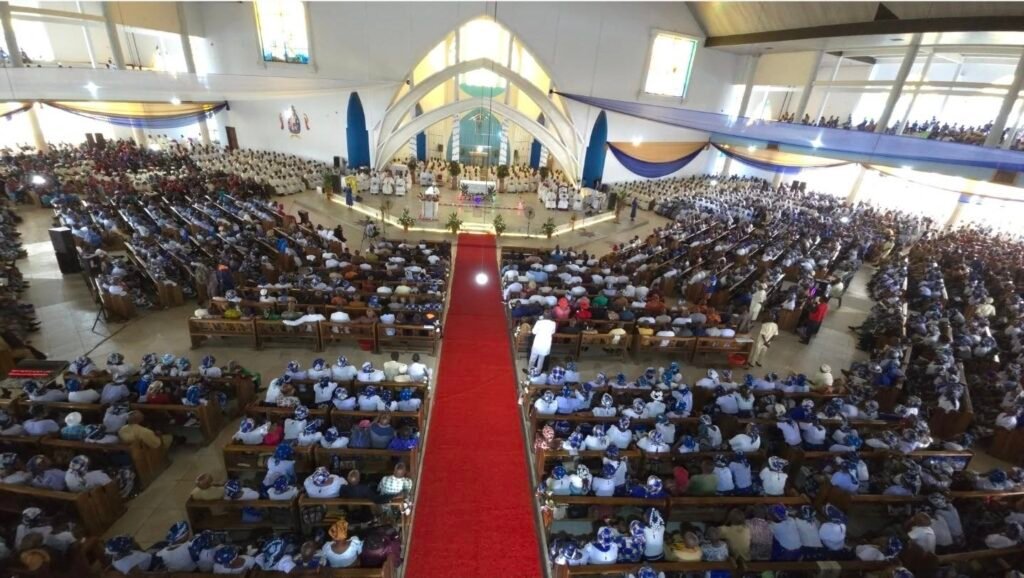
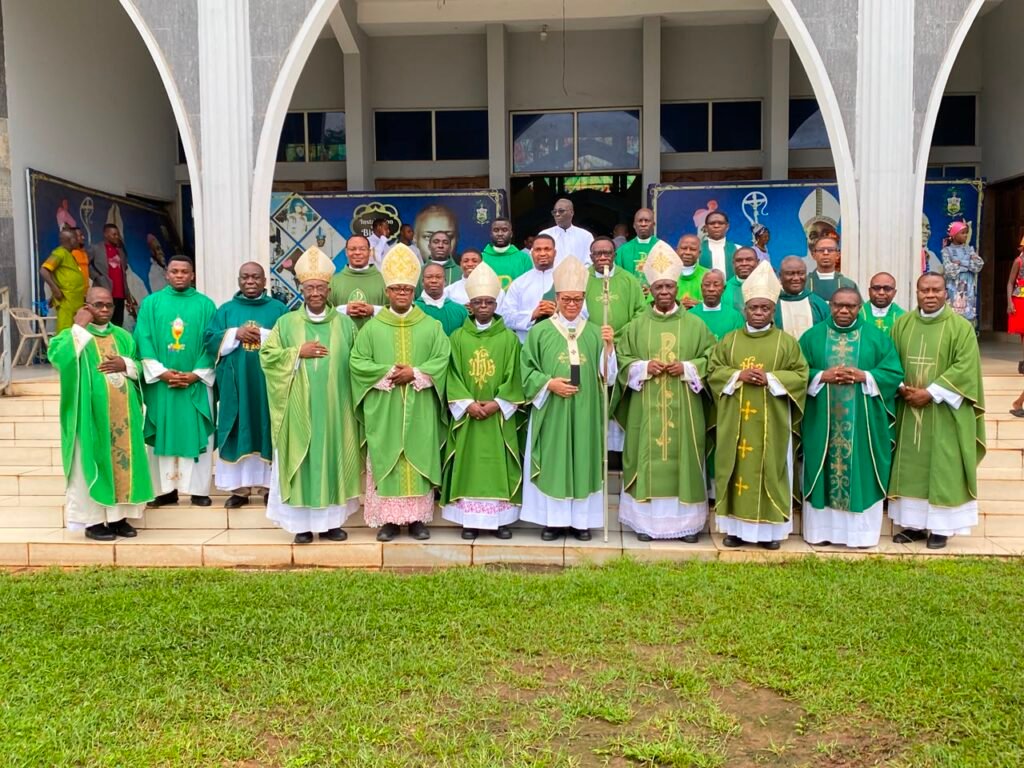
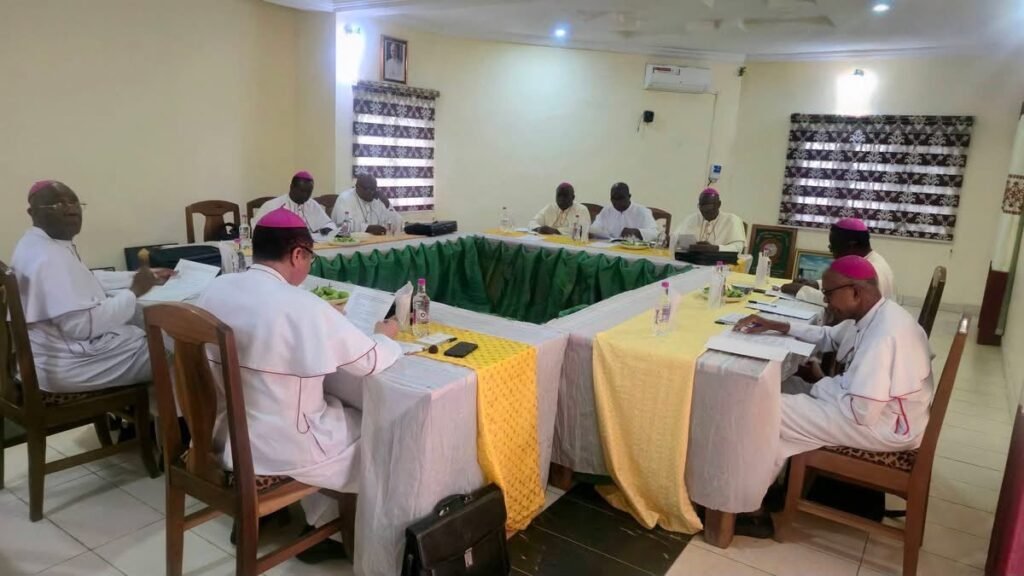
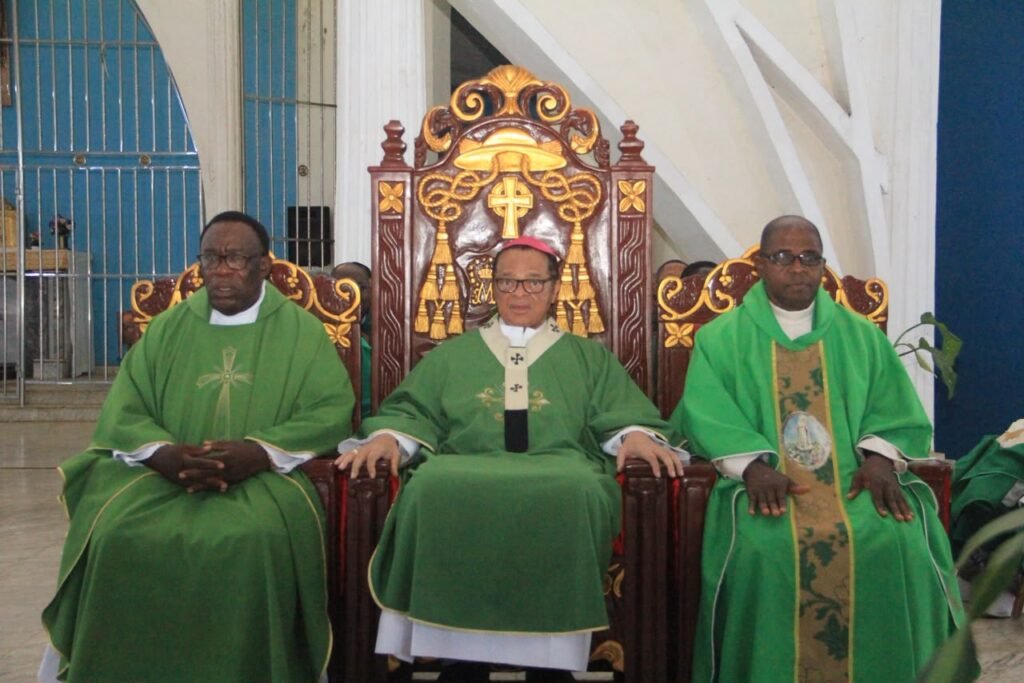
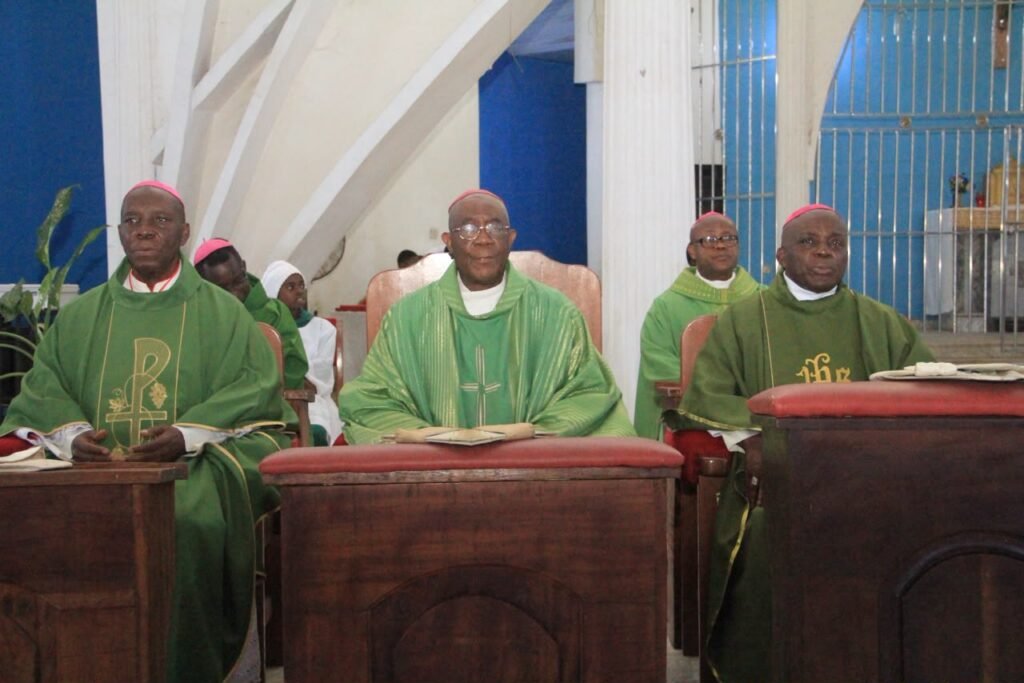
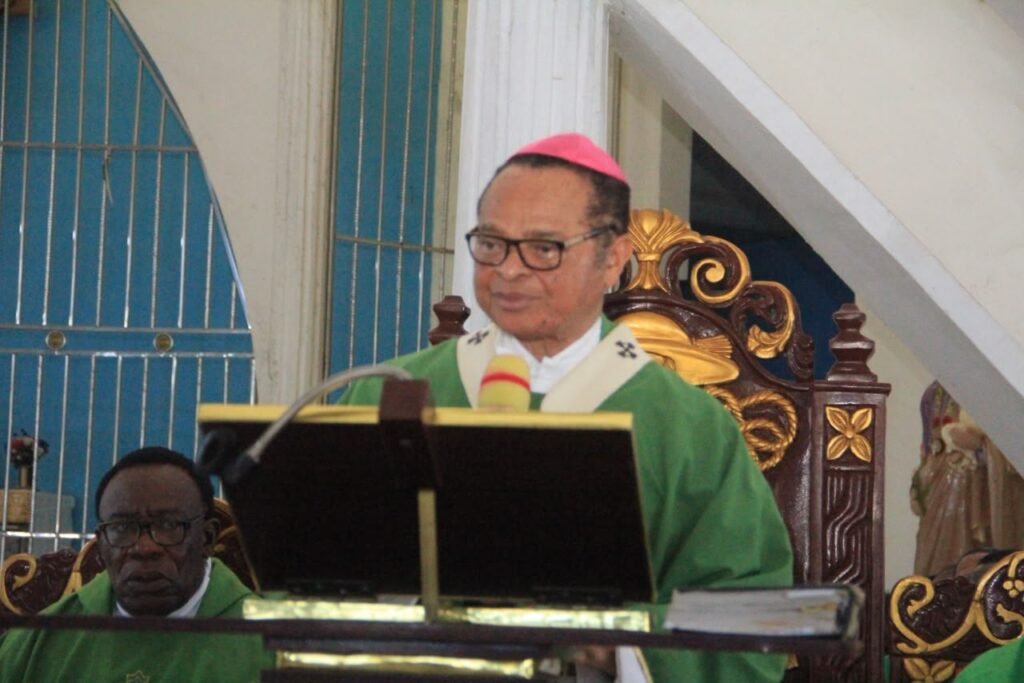
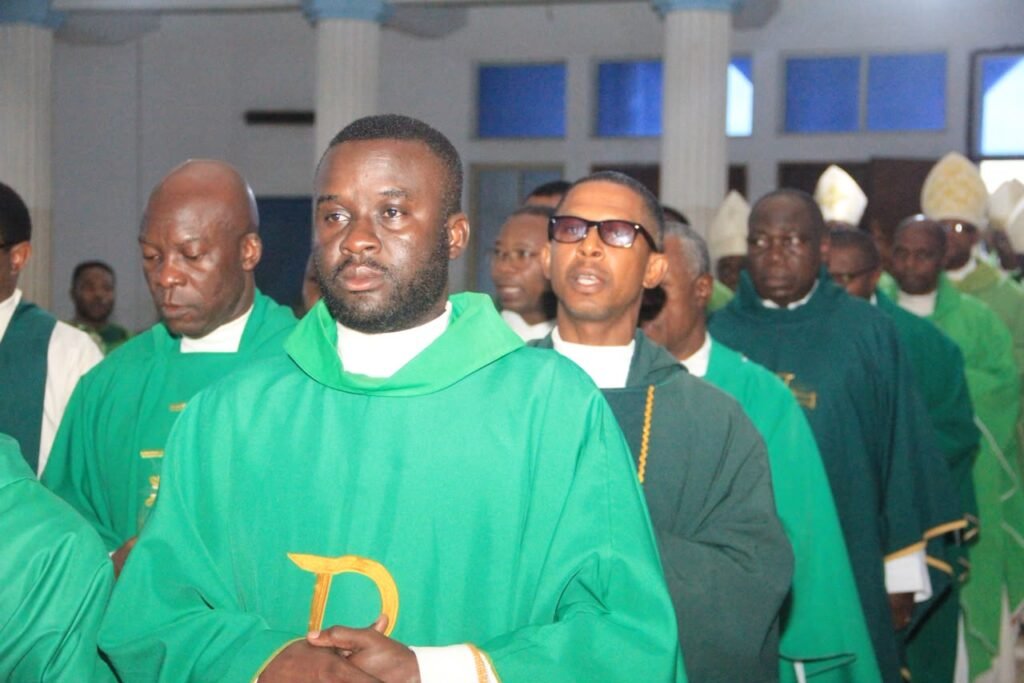
The Catholic Bishops of the Owerri Ecclesiastical Province from August 4-5, 2026 met at the Bishop’s residence, Ahiara, to deliberate on crucial matters affecting on the life and mission of the Church in Owerri Province and on the socio-economic, political and security challenges that weigh heavily upon our people and our nation.
Following their deliberations, the bishops while reflecting on the pastoral activities in the province issued a strong directive banning the operation of any new religious group, secular institute, or institute of consecrated life within the province without prior approval from the Holy See.
The directive was contained in a pastoral statement titled; “Promoting Justice, Restoring Hope and Healing the Land in Times of Trial,” issued after the bishops’ meeting. Expressing their concern over what they described as an ecclesiastical nuisance on the life and mission of the Church in the Province, the Bishops condemned the actions of individuals attempting to establish religious institutes and pious associations without competent ecclesiastical authority or proper spiritual discernment. They warned that the trend has brought “serious challenges in canonical discernment, holistic formation and structural viability and sustainability” and directed that no group of persons would be permitted to operate as a religious body within the province without a Nihil Obstat from the Holy See, in line with Pope Francis’ Authenticum Charismatis issued on November 1, 2020.
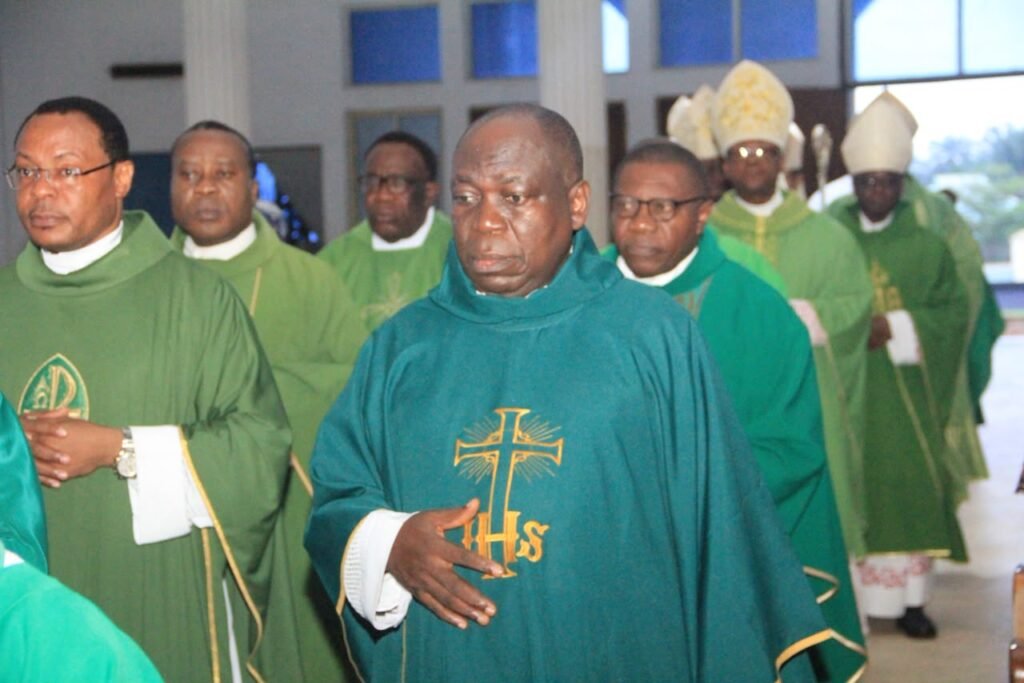
The bishops also reaffirmed their appreciation for priests, religious men and women, and lay faithful whose commitment continues to sustain the Church despite prevailing national difficulties. They renewed the Church’s prophetic mission to defend human dignity, promote justice and peace, and accompany Nigerians in times of suffering and uncertainty. The statement further encouraged Catholics to embrace simplicity, holiness of life, and detachment from materialism during the Special Jubilee Year of St. Francis of Assisi.
Beyond ecclesiastical matters, the bishops raised alarm over Nigeria’s worsening economic situation, citing soaring food prices, persistent inflation, exorbitant transport costs, rising energy tariffs, and the collapse of the naira’s purchasing power which has placed intolerable burdens on families. “Many parents struggle to send their children to school, small business are folding up, and a growing army of young people see little reason to hope.” they lamented. They articulated their worries on how some public office holders continue to display opulent lifestyles, wasteful public expenditure, and excessive governance costs, a dissonance that erodes public trust and compounds the despair of the populace.
Furtherance on politics, the bishops warned that the approach to the 2027 General Elections is being threatened by induced defections, the weakening of opposition parties, and restrictions on access to public campaign platforms. They called on the Independent National Electoral Commission (INEC) to conduct credible, free, and fair elections and urged judges and lawyers to uphold honesty and impartiality. Priests were specifically instructed not to turn churches into campaign platforms for political office seekers.
The pastoral statement also condemned kidnapping, armed robbery, violence, and the recurring sit-at-home disruptions that have paralysed economic and social life in many communities. The bishops expressed particular concern about the increasing number of young Nigerians embarking on dangerous migration routes to Europe, where many fall victim to human trafficking syndicates and modern-day slavery. They called for intensified public awareness campaigns and urged governments, educational institutions, and the private sector to invest in vocational training, entrepreneurship, digital skills, technological innovation, and affordable financing for young entrepreneurs. Youths were advised to reject cybercrime, cultism, drug abuse, ritual killings, and other dishonest means of livelihood.
Commenting on governance and security, the bishops argued that Nigeria’s current law enforcement and security architecture has proved inadequate. While acknowledging fears that regional or local police structures could be abused, they maintained that the advantages outweigh the risks and urged the National Assembly to establish safeguards against possible misuse. They also welcomed ongoing efforts to strengthen Local Government autonomy and called on political leaders to embrace servant leadership rooted in integrity, accountability, humility, and commitment to the common good.
The bishops, however, noted a positive development in the education sector, celebrating the establishment of Maria Assumpta University, Owerri, and the granting of its operating licence by the Federal Government of Nigeria. They described the university as a beacon of hope for young people seeking sound and holistic education and congratulated the Archdiocese of Owerri and Archbishop Lucius Iwejuru Ugorji for the achievement.
Concluding the statement, the bishops expressed confidence that God has not abandoned Nigeria despite the country’s numerous trials. They directed that prayers for peace, justice, good governance, security, and national renewal be offered in all parishes across the province, with regular recitation of the Prayer for Nigeria in Distress and Eucharistic Adoration for the healing of the land.