
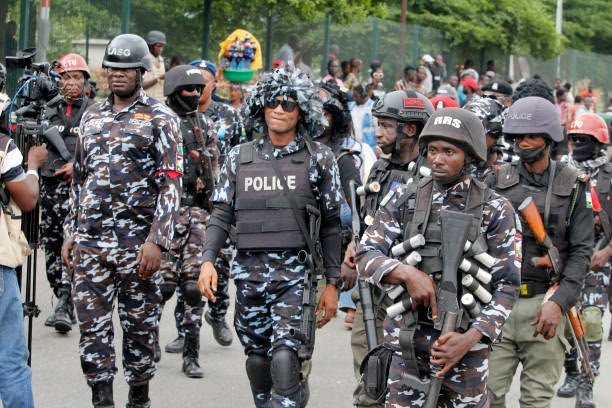
President Bola Tinubu’s renewed push to create state police has once again brought one of Nigeria’s most contentious constitutional debates to the forefront. With the Constitution of the Federal Republic of Nigeria (Alteration) State Police Bill, 2026, formally presented to the National Assembly and the inauguration of the presidential working group on the national policing bill on July 7, 2026, the conversation has shifted from whether Nigeria should have state police to whether it is prepared for such a fundamental restructuring of its policing architecture. The proposed amendment seeks to create a dual policing system—the federal and state. While the Federal Police Service will focus on national matters like terrorism, border security, and cybercrime, the State Police Service will handle local law enforcement and order.
Expectedly, the proposal has sharply divided public opinion. Supporters view state police as long overdue for Nigeria’s worsening security situation. For them, it will improve intelligence gathering and response times, resting on the assurance that local officers understand the terrain, culture, and language of the people. It will also be a relief from the centralized failure of the current Nigerian Police Force, which many have widely acknowledged to be understaffed and inefficient. For this camp, decentralizing police is necessary.
Yet the fears expressed by those who oppose this cannot be dismissed. For them, state policing could become a tool for political weaponization by tyrannical governors who could hijack these local forces to intimidate political opponents, the people, and critics and rig local and federal elections.
To some others, accountability and funding disparities among states that may lack the resources to fund the state police may create room for the rise of increased corruption or the surge of rogue militias. Both arguments deserve serious consideration.
With the bill coming in the wake of the debilitating state of Nigeria’s security environment and the all-important upcoming 2027 General elections, many Nigerians are wondering if the political elite would not, as usual, divert the whole process to its selfish end. Considering the complexion that our security situation has assumed, state policing backed by the right legislation, with the right framework of strategies, is the right way to go, as there will be speedy on-the-spot decisions regarding security issues because when authority for combating criminalities is vested nearest to the level or location, it would be promptly and most effectively tackled.
It will also be a way of enhancing our democratic governance under a true federal system and encouraging a feeling of involvement and accomplishment. The question now should not be whether there should be state policing but for the structure to be put in place and the necessary infrastructure, including modern communication and information assets, provided. Secondly, it is to begin the arrangement of sustainable funding of the project, which perhaps could be through security votes to states or any other arrangement by the states. In all, the populace is demanding that the right intention be employed and that the ongoing process of implementing state police should be guarded by strict constitutional checks and transparent judicial oversight.