
New global index highlights overlapping deprivations in health, education and living standards
An estimated 113.3 million Nigerians – 48.7 per cent of the population covered by the latest estimate – are living in multidimensional poverty, according to a report released by the United Nations Development Programme (UNDP) and the Oxford Poverty and Human Development Initiative (OPHI) on Monday, 12 October.
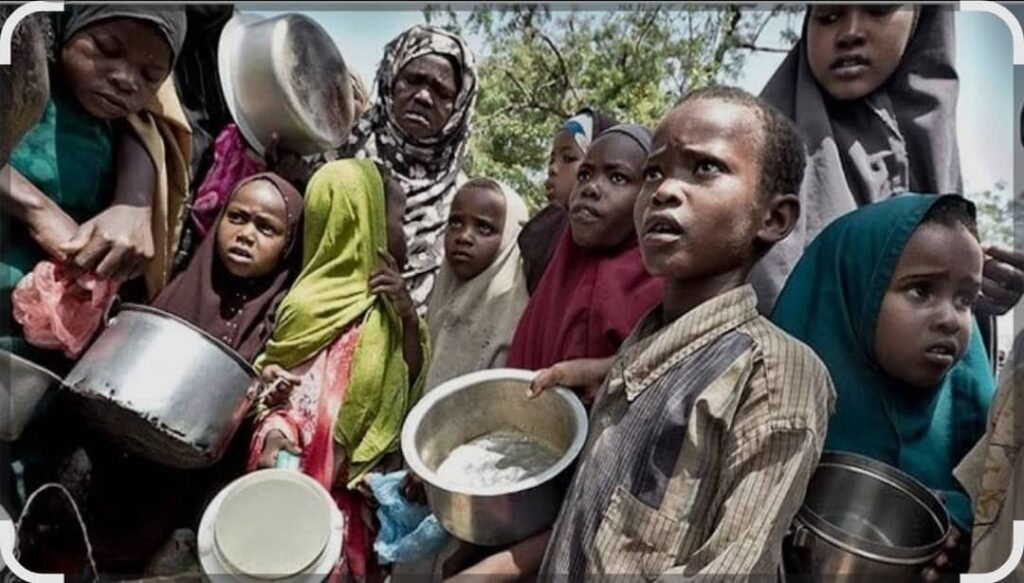
The 2026 Global Multidimensional Poverty Index (MPI) identifies Nigeria as a country where earlier progress in reducing poverty has been reversed, with both the proportion of people affected and their estimated number increasing in the 2020s.
Unlike measures based principally on income, the index examines overlapping disadvantages in three areas: health, education and living standards. Its ten indicators include nutrition, child mortality, years of schooling, school attendance, access to electricity and safe drinking water, sanitation, housing, cooking fuel and household assets.
Under the methodology, people are classified as multidimensionally poor when their households experience deprivation in at least one-third of the weighted indicators. The measure therefore seeks to capture not merely what people earn, but also the essential services and conditions they lack.
According to reporting on the findings, the average multidimensionally poor Nigerian experiences deprivation across 55 per cent of the weighted indicators, while 28.7 per cent of Nigerians are classified as severely poor.
A crucial qualification, however, is that the headline figure is not a fresh headcount conducted in October 2026. The Nigerian estimate draws on the 2024 Demographic and Health Survey, with the population estimate calculated using 2024 population data. It describes conditions captured by the survey rather than establishing the exact number of people experiencing poverty today. A separate, harmonised comparison using a reduced set of indicators records an increase in Nigeria’s multidimensional poverty rate from 33.0 per cent in 2021 to 38.7 per cent in 2024. These figures are not directly interchangeable with the headline estimate of 48.7 per cent because the calculations use different indicator coverage.
The Nigerian findings form part of a wider global warning. The 2026 index estimates that 1.2 billion people across 108 developing countries live in acute multidimensional poverty—the first increase in the global total since the index was introduced in 2010. More than half of those affected are children, while over eight in ten live in rural areas.
For Nigeria, the findings raise urgent questions about access to quality education, adequate healthcare, proper nutrition, electricity, safe drinking water and decent housing. They also underline the need to measure economic progress not merely by national growth figures, but by whether ordinary families experience a tangible improvement in their living conditions.
The figures are a reminder that behind every poverty statistic are human lives, families and unrealised potential. Addressing these deprivations will require sustained public investment, responsible leadership and a shared commitment to ensuring that the most vulnerable are not left behind.