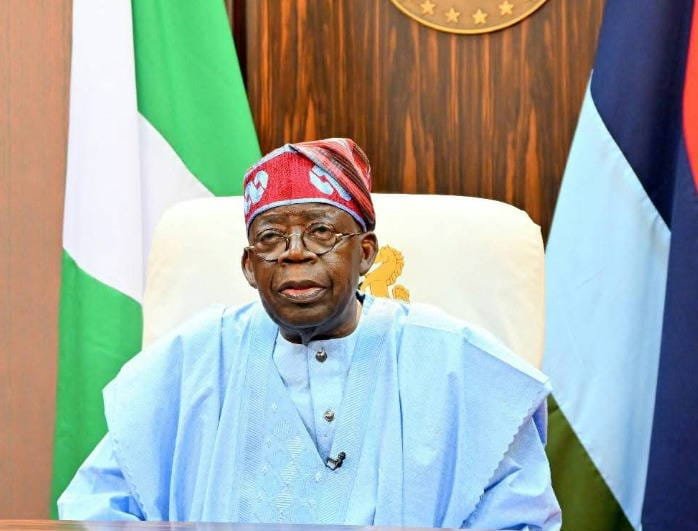
President Tinubu’s 66th Independence Day Anniversary Address has come under mixed reactions by Nigerian citizens both on the social and regular media platforms.
The complexion of the reactions have appeared in two parts; one, very critical of Mr. President’s defense of his three and a half year reforms program, including, Fuel Subsidy Removal, Naira/Dollar Parity etc., which antagonists state that has inflicted untold and undue hardship to the citizenry and nation, but protagonists and of course, the presidency maintain, had been the saving grace of a national economy collapse.
Many contributors on the airwaves questioned how long citizens must endure hardship in a country like Nigeria, which is blessed with abundant human and material resources, before experiencing the benefits of good governance.
The other part has to do with the new thrust of the government’s economic policies, which Mr. President said is to deliver prosperity.
While proponents of this new goal commend the government with the hope that the strategies are well implemented, antagonists are nowhere comfortable with the government’s capacity to implement same, given the past experience.
Recall that, on October 1, 2026, in his Independence Address, titled FROM REFORM TO PROSPERITY, President Tinubu had said among other things that, ‘’our reforms have strengthened Nigeria’s economic stability and resilience, the foundation has been repaired’’. ‘’ The central economic task has changed’’. ‘’We have reached a turning point ‘’. Emergency treatment is over.’’
He went on to outline the framework of strategies to attain the new goal to bring down the cost of living which include: Lowering cost of production; Creating Jobs, Enterprise and industrial growth, this he said would be through deployment of effective and efficient o critical logistic infrastructures, e.g. Railways, Roads, Sea and Air ports to connect farms, factories to markets.
In defense of his reforms, President Tinubu elaboratively declared that the country has passed through the most difficult phase of his administration’s economic reforms and is now entering what he described as “the age of prosperity”, pointing to stronger economic growth, falling inflation, improved foreign-exchange stability, higher reserves and increased non-oil exports as evidence that the reforms are beginning to yield results.
The President said the economy has grown by more than four per cent in 2026, oil theft has declined, the foreign-exchange market has stabilized and non-oil exports exceeded $6 billion in 2025. He argued that the government’s task must now move from correcting economic distortions to translating greater stability into lower living costs, productive employment and wider prosperity.
There is measurable improvement in some of the indicators cited by the President. The World Bank puts Nigeria’s real GDP growth at 4.2 per cent in the first half of 2026, up from 3.9 per cent in the corresponding period of 2025. Gross foreign reserves reached $51.9 billion at the end of July 2026, while the current-account surplus rose to $5 billion in the first quarter of 2026, compared with $1.4 billion in the preceding quarter. The World Bank also acknowledges that recent reforms have improved macroeconomic stability.
But the economic picture becomes more complicated when measured from the standpoint of household welfare.
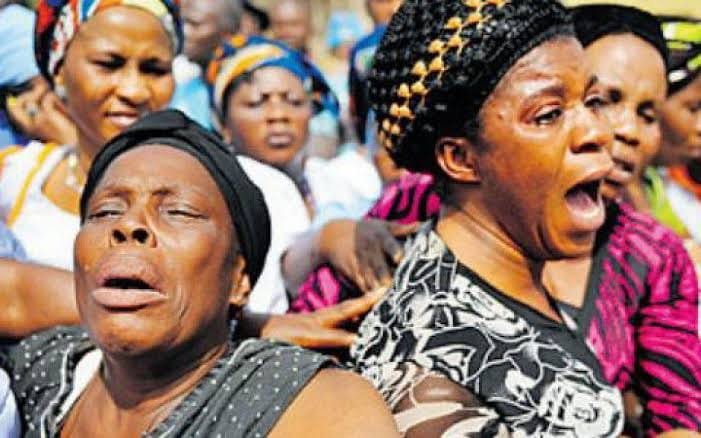
Inflation has indeed fallen substantially from the levels reached during the earlier phase of the reforms, but prices are still rising. The World Bank reports that headline inflation averaged 15.7 per cent between March and July 2026, while food inflation reached 20.3 per cent in July. By August, headline inflation had eased slightly to 15.39 per cent, while food inflation stood at 19.57 per cent. Thus, lower inflation means that prices are increasing more slowly, not that the prices of food and other necessities have returned to their previous levels.
Fuel prices illustrate the continuing pressure on households. In September, petrol prices rose to around N1,400 per litre in Lagos and Abuja and as high as N1,500 in parts of northern Nigeria, while diesel exceeded N2,000 per litre. The increases followed higher global crude-oil prices and demonstrated that, despite the expansion of domestic refining, Nigerian consumers remain exposed to international energy-market movements.
Poverty remains an even greater test of the transition from reform to prosperity. The World Bank estimates that 69.6 per cent of Nigerians were living below its lower-middle-income poverty threshold of $4.20 a day in 2025, while 50.8 per cent, approximately 123 million people, were living in extreme poverty. These are 2025 estimates rather than a current 2026 headcount, but they underline the depth of the challenge the government itself acknowledges. The Bank also estimates that about 3.5 million Nigerians enter the labour force each year, placing enormous pressure on an economy that still struggles to generate sufficient productive employment.
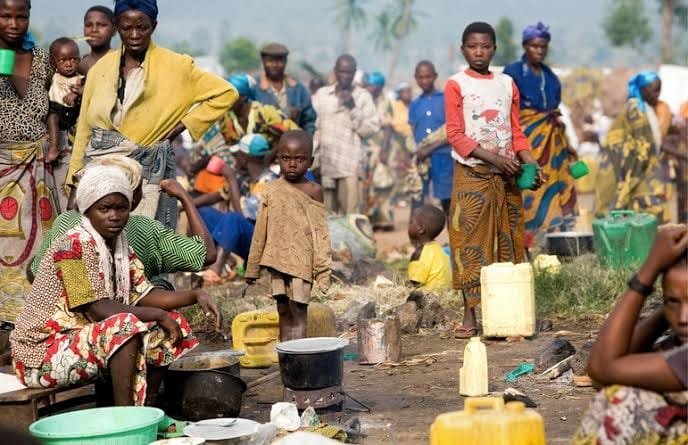
The International Monetary Fund similarly recognizes the improvement in macroeconomic conditions while cautioning that the gains have not removed the hardship facing many Nigerians. Its 2026 assessment estimated poverty at 63 per cent under Nigeria’s national poverty line and reported that about 27 million Nigerians experienced food insecurity in the autumn of 2025. It projected economic growth of 4.1 per cent for 2026 while warning that higher food and transport costs could continue to weigh on activity and aggravate poverty and food insecurity.
The contrast, therefore, is not simply between government optimism and public pessimism. The available evidence points to two realities occurring at the same time. Nigeria’s macroeconomic position has improved in important respects, particularly in growth, reserves and external balances. Yet the social cost of the adjustment remains substantial, with food prices, transport costs, poverty and the shortage of productive employment continuing to affect millions of households.
President Tinubu himself acknowledged this tension in his address, conceding that many families still struggle to pay for food, school fees, medical care and transportation. He said the next phase of government policy would concentrate on reducing production and distribution costs, expanding agriculture and industry, creating jobs and strengthening social protection.
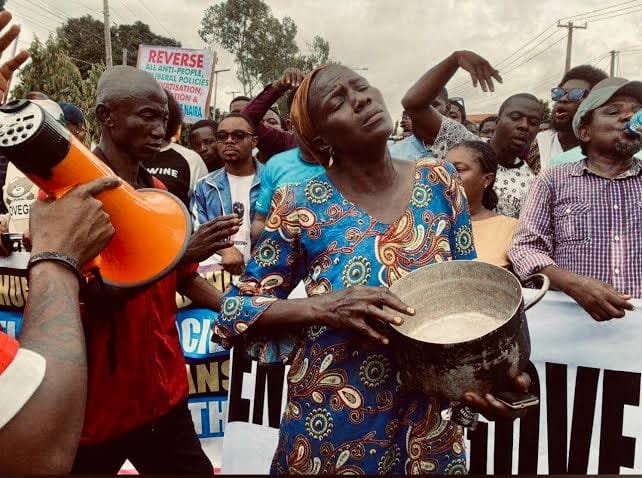
The economic question as Nigeria’s independence years advances, therefore, is no longer merely whether reforms have improved selected macroeconomic indicators. It is whether those improvements can be converted into cheaper food, more affordable transport, stronger purchasing power, productive jobs and a measurable reduction in poverty. The President says the foundation for prosperity has been laid. Some shreds of evidence seem to affirm that statement, but prosperity for all appears still distant and, therefore, largely unfelt. The decisive test, in the coming weeks and months, will be whether the improvement recorded in headline indicators will increasingly becomes visible in the everyday lives of Nigerian families.