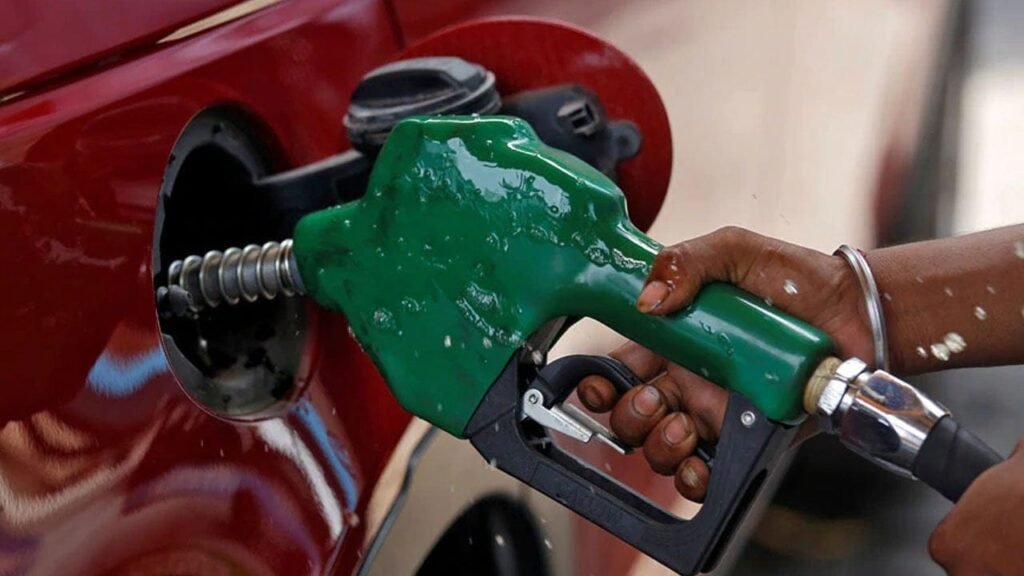
The continuous surge in petrol prices has triggered a new wave of inflation across the nation. With pump prices hitting almost N1, 500 per litre in some places across Nigeria, the nation’s economic instability continues to intensify. This trend has had a profound ripple effect, pushing up food prices, cost of transportation, and basic commodities, which drastically diminishes the purchasing power of the average Nigerian. Because Nigeria’s national power grid remains unreliable, the economy is inextricably linked to petrol, as small businesses and households rely heavily on petrol-powered generators. Consequently, these price hikes are plunging more citizens below the poverty line, widening the inequality gap. Confronted with this hardship, the debate over the removal of the fuel subsidy has been reignited, raising concerns whether the saved funds are actually being reallocated to critical sectors like health, education, and infrastructure, or if transparency is still lacking.
Furthermore, the evolving friction between the Nigerian National Petroleum Company Limited (NNPCL), local private refineries like the Dangote refinery, and other independent marketers underscores the urgent need for self-sufficient domestic refining. It remains a stark historical irony that Nigeria, a major crude oil producer, remains at the mercy of supply-chain pricing shocks due to decades of non-functional state refineries.
While the Dangote refinery offers a glimpse of hope, it is not immune to global pressures. It operates in a market increasingly affected by international crude oil prices, product replacement costs and geopolitical disruptions arising from the conflict involving Iran and the United States. More so, developments in international oil market have created genuine cost pressures for refiners and petroleum marketers. Domestically, these challenges are compounded by the currency devaluation, as both crude oil and refining logistics are priced in US dollars.
To address this, the government must lead by example, reducing the high cost of governance to match the economic austerity they are demanding from Ordinary citizens. Their inadequacy to provide promised palliatives and safety nets make the situation more worrisome. Current mitigation strategies proposed by the government like the Compressed Natural Gas (CNG) buses or cash transfers, have not yielded much in cushioning the effects of petrol price on the people. Caught up in this situation, the government should provide a clear, reasonable pricing template that would make citizens not to be left at the mercy of sudden speculative hikes. Aggressive, structural investments should be made in public mass transit systems and renewable energy to decouple the daily survival of Nigerians from the price of a single commodity.