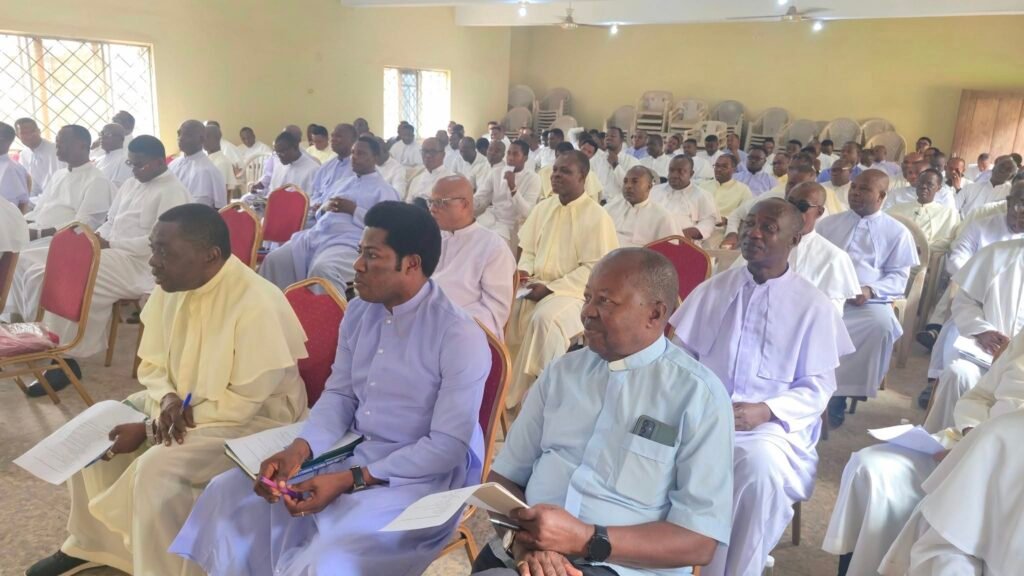
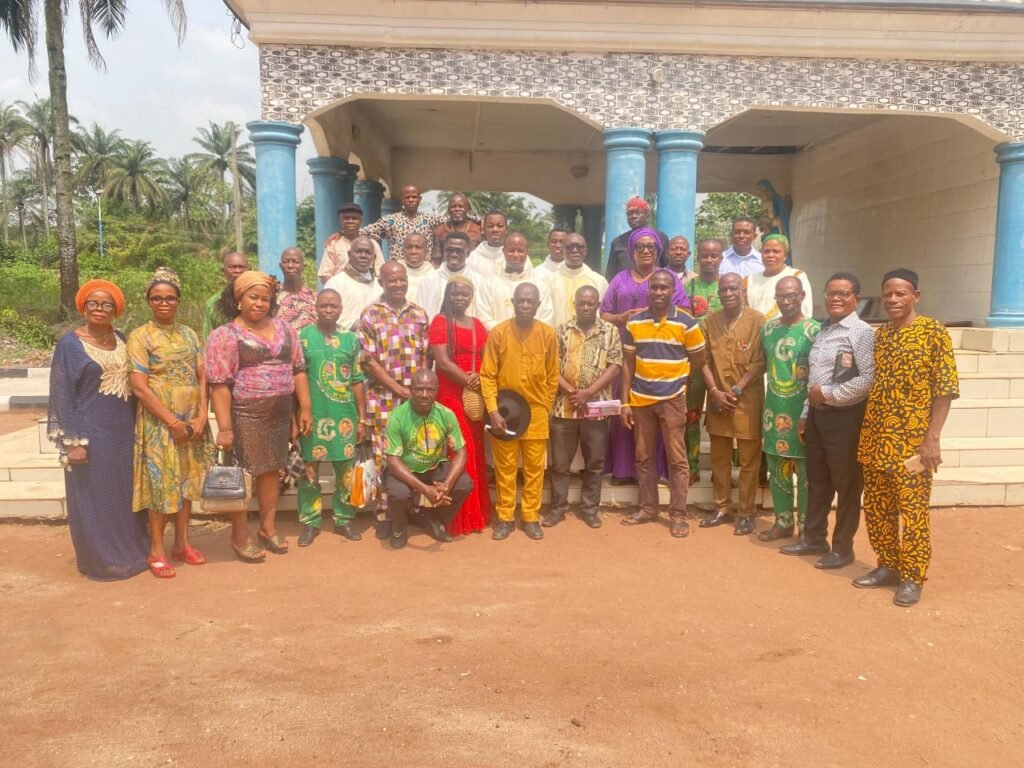
The Annual Catholic Laity Council Week has ended. Taking place from Sunday, March 15, to Sunday, March 22, 2026, this program offered the laity an opportunity to ruminate deeply on the theme: The Application of the Catholic Social Teaching in Contemporary Nigeria. The theme for this year comes at a critical moment, when Nigerian society is fraught with insecurity and poor governance by our leaders, resulting in economic instability. The Church invites the laity to move beyond the pews and actively engage with Nigerian society, applying practical insights from the rich tradition of Catholic social teaching.
Catholic Social Teaching encapsulates the Church’s teachings on justice within society and its relationship with creation. It shines the light of the Gospel on the social justice issues that arise in the complex network of relationships in which we live, using reason, tradition, experience, and Scripture to tackle these concerns. For too long, a divide has existed between the dictates of faith that this teaching brings and the secular demands of contemporary life, which has contributed to the various anomalies witnessed in our societies today. The laity week holds great promise in bridging this gap.
No doubt, the laity plays a vital role in the mission of the Church, which is integral to the salvific mission of the entire people of God. They are involved in the inward community-building mission of the church. In Nigeria, for example, one cannot envision the Church without acknowledging the dedicated, selfless, competent work of the laity. Their roles as catechists, lectors, acolytes, choir members, directors, advisers in liturgical and financial matters, caring for the physical upkeep of the parish church and property are essential. They assist in the inward community-building aspect of the Church, which is at the service of the outward trust of the Church manifested in society at large. These internal services are geared towards nurturing and promoting the ministry of the laity in the world, their society, and culture, highlighting their indispensable role in the mission of the Church and the growth of society.
Following a week-long program on the heels of implementing the principles of Catholic social teaching, the laity, motivated by the commitment to promoting human dignity through the common good, is also encouraged to adopt the values of solidarity, subsidiarity, participation, stewardship, and love for the poor. These principles should be applied to address economic inequality by emphasizing the preferential option for the poor. This approach should not only foster active citizenship and social justice but also seek to rebuild family structures, especially in light of gross negligence of parental roles and responsibilities, which significantly undermines ecclesiastical moral development and socio-political, economic, and cultural development, highlighting the need for proper faith-based training of children.
Mapping out a special week to celebrate and encourage the laity is a testament that the Church owes tribute and gratitude to the lay apostles, both men and women, and is still associated with an untiring effort to keep the light of faith glowing. Oftentimes, the roles of these men and women seem to be overlooked. Their enormous work shows that they are indeed the second wing of the bird in planting the good seeds. The laity shares in the priestly, prophetic, and kingly mission of Jesus Christ. In spite of the many challenges they encounter in the process, a renewed collaboration with the members of the clergy is imperative. A collaboration that is respectful and loving, which will, in turn, make the Gospel values permeate more deeply into our Nigerian society.
As we end this laity week, may the hopeful expressions throughout the week lead to greater fulfillment and growth for both the Church and the Nigerian society at large.